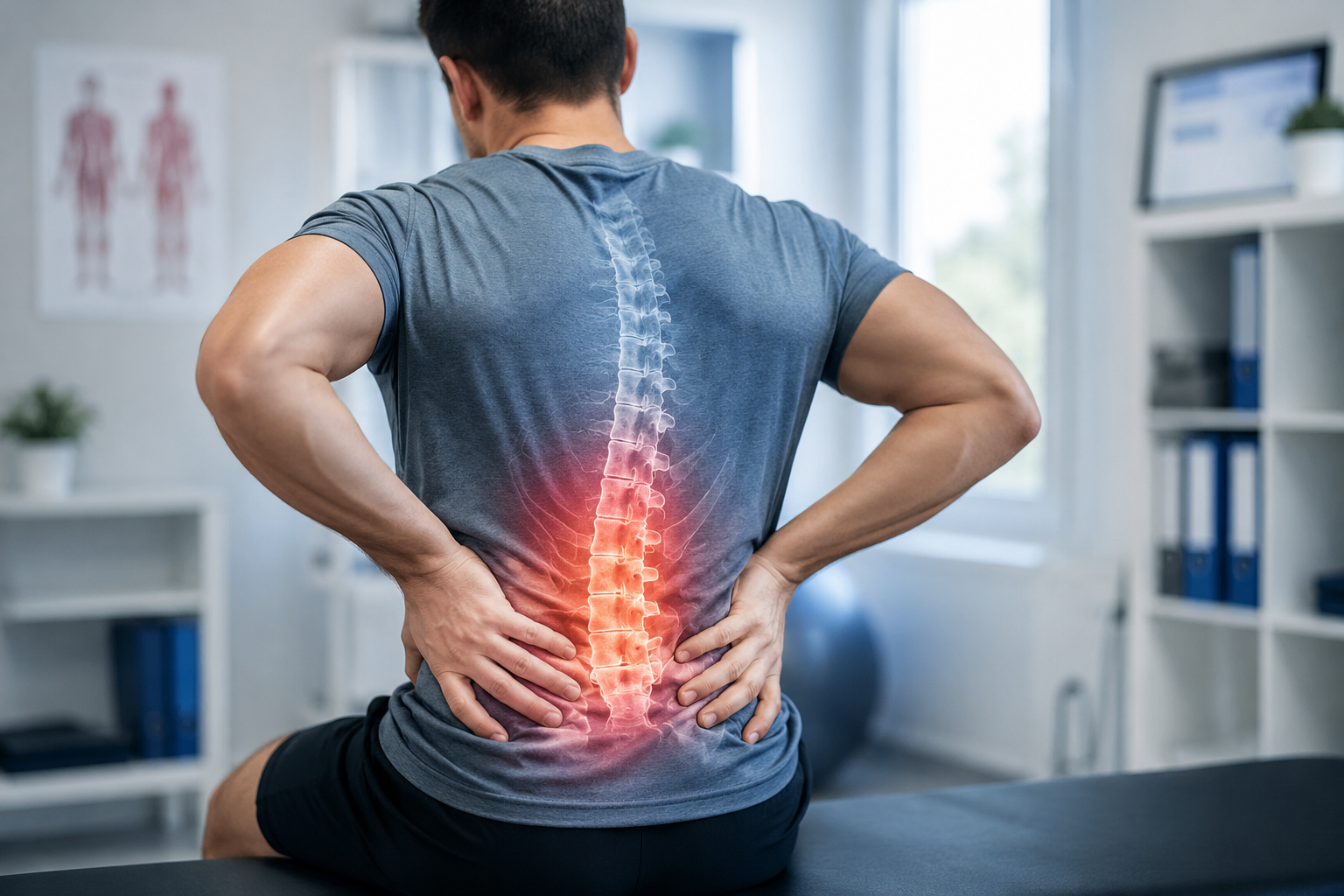
Regenerative Treatment for Sports Spine Injuries
A range of non-surgical procedures can reduce pain, improve function, and help athletes avoid spine surgery. These advanced, image-guided injection treatments use bone marrow stem cells from your own body to promote healing for sports-related conditions such as lumbar spine injuries, lower back sports injuries, and other spine-related back pain.
The root cause of spine pain is often misidentified, leading to improper treatment or unnecessary surgery. Careful diagnosis helps identify the most probable source of pain and deliver the most effective non-surgical treatment, tailored to each patient.
Spine Conditions Commonly Treated
- Lumbar spine and lower back sports injuries
- Herniated and torn discs
- Degenerative spine conditions
- Sciatica and pinched nerves
- Facet joint syndrome
- Radiculopathy
- Failed back surgery syndrome
- Spinal stenosis
- Spondylosis
How Regenerative Treatment Works
Unlike steroid epidurals — which carry the risk of side effects and can hinder natural healing — regenerative procedures use precise, image-guided injections of platelet lysate or bone marrow stem cell concentrate to deliver healing directly to the affected area.
Platelet lysate, derived from your own blood platelets, targets the exact location of the injury and helps reduce back pain, sciatica, and tingling in the limbs. For torn discs that cause "discogenic pain," bone marrow stem cell concentrate has shown promising results — restoring disc health, reducing nerve compression, and relieving pain with minimal downtime.
Frequently Asked Questions
What spine conditions can be treated? Lumbar spine injuries, herniated discs, facet joint pain, and more — by promoting tissue repair, reducing inflammation, and providing non-surgical pain relief.
How is it different from surgery? Regenerative treatments are minimally invasive injections that avoid large incisions and extended recovery times.
Does it help chronic back pain? Yes — particularly when conventional treatments such as medication or physical therapy have not provided sufficient relief.
Are there age restrictions? Age restrictions are minimal, though certain health conditions may affect eligibility; each patient is evaluated individually.
What is recovery like? Recovery is generally shorter than with surgery; mild soreness at the injection site usually resolves quickly.
Dr. Suresh Palsania
Orthopedic Surgeon · Sikar, Rajasthan